






How does Balancing Valves work. Balancing Valves in HVAC : types, functions and benefits
Balancing Valves in HVAC: Types, Functions, and Key Benefits
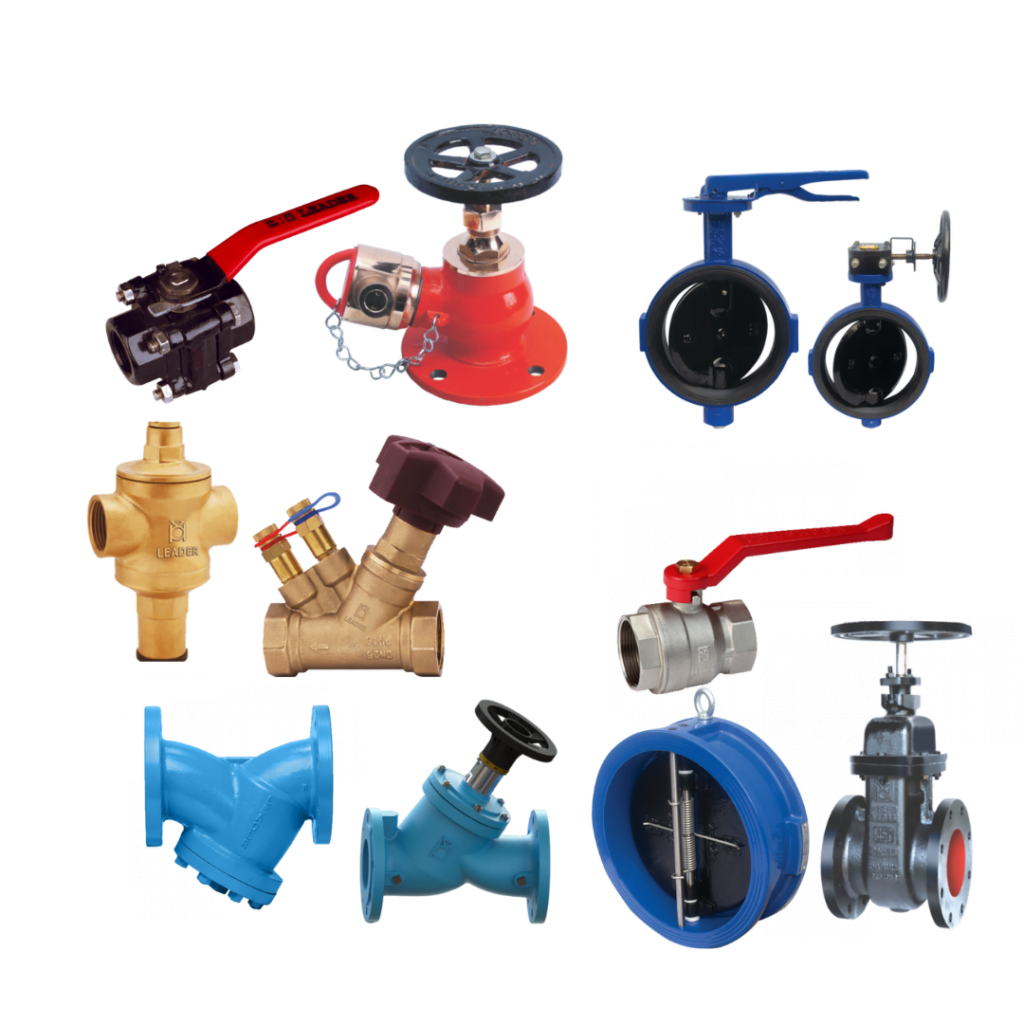
Understanding Balancing Valves in HVAC Systems: Types, Functions, and Key Benefits
In the world of heating, ventilation, and air conditioning (HVAC) systems, achieving optimal performance hinges on precise control of fluid flow. Enter balancing valves—a vital component that ensures even distribution of water or other fluids across pipes, circuits, and zones. Whether you’re managing a commercial building in Hyderabad’s sweltering climate or optimizing energy use in a manufacturing plant, balancing valves prevent inefficiencies like uneven heating or cooling, which can lead to higher costs and equipment strain. This comprehensive guide explores what balancing valves are, how they work, their types, functions, and why they’re essential for modern fluid systems. By the end, you’ll see how these valves drive energy efficiency and system reliability, making them a smart choice for entrepreneurs in industrial components like pipes and fittings.
What Are Balancing Valves and Why Do They Matter?
A balancing valve is a specialized device in fluid systems, particularly HVAC setups, designed to regulate and equalize flow rates and pressure. In large systems—think office complexes, hospitals, or even agricultural cooling units—pipes vary in length, diameter, and elevation, creating natural imbalances. Shorter paths might get too much flow, starving longer ones and causing hot spots or overworked pumps.
The core purpose? To deliver the exact flow needed for each branch, ensuring consistent temperature control and pressure stability. Without them, systems suffer from issues like excessive energy use (up to 20-30% waste, per industry studies) or premature wear on components. For business owners sourcing valves as channel partners, installing balancing valves isn’t just compliance—it’s a pathway to client satisfaction and reduced maintenance calls. In India’s growing commercial sector, where HVAC demand surges with urbanization, these valves align with energy standards from the Bureau of Energy Efficiency (BEE), promoting sustainable operations.
How Balancing Valves Work: Principles and Mechanisms
At their essence, balancing valves act like traffic controllers in a plumbing network. They adjust flow by restricting or allowing passage through an internal element, such as a globe, disc, or diaphragm, responding to pressure differentials. Imagine a river system: without dams (valves), floods overwhelm some areas while others dry up. Balancing valves create predictable flow, much like resistors in electronics that stabilize current.
In operation, technicians measure flow using built-in ports or gauges, then tweak the valve—manually via a handwheel or automatically via actuators tied to sensors. This maintains laminar flow, minimizing turbulence and friction losses. For automated versions, integration with building management systems (BMS) allows real-time adjustments based on demand, ideal for variable-speed pumps in modern HVAC. The result? A system that hums efficiently, even under fluctuating loads from seasonal changes or occupancy spikes.
In hydronic balancing—the process of fine-tuning water-based heating/cooling—these valves ensure design specs are met, preventing issues like radiator underperformance or chiller overloads. For entrepreneurs exploring manufacturing, understanding this principle can inform product pitches, highlighting how balancing valves extend system life by 10-15 years.
Types of Balancing Valves: Choosing the Right One for Your System
Balancing valves come in various designs, each suited to specific needs like manual oversight or pressure-independent control. Selecting the correct type depends on system scale, automation level, and application— from simple residential setups to complex industrial ones.
Manual Balancing Valves
These are the workhorses for budget-conscious installs. Operated by a handle or screw, they allow technicians to set flow rates during commissioning and lock them in place. Pros include low cost and simplicity, making them popular for smaller HVAC projects. However, they require periodic manual checks, as pressure changes (e.g., from pump wear) can shift balances.
Automatic Balancing Valves
Also called pressure-independent balancing valves (PIBVs), these self-regulate using a pilot mechanism or cartridge that compensates for differential pressure fluctuations. Flow stays constant—say, 10 liters per second—regardless of system-wide changes. They’re ideal for dynamic environments like hotels or data centers, where demand varies hourly. In manufacturing plants near Hyderabad, they prevent flow disruptions during peak production, saving energy and reducing noise from unbalanced pumps.
Double Regulating Valves (DRVs)
DRVs combine regulation with measurement, featuring a graduated scale or flow meter for precise adjustments. You can “double-regulate” by first setting flow, then verifying via pressure drop readings. This type shines in commissioning, where accuracy is key, and supports easy reconfiguration for system expansions—perfect for growing businesses adding HVAC zones.
Commissioning Valves
Tailored for initial setup, these include measurement ports for tools like ultrasonic flow meters. Once balanced, they often stay fixed, but their design allows repeatable testing. In large commercial farming operations, where cooling water distribution is critical for greenhouses, commissioning valves ensure even irrigation without overpressurizing lines.
Differential Pressure Control Valves (DPCVs)
DPCVs focus on maintaining a set pressure drop across circuits, using springs or diaphragms to modulate flow. They’re common in radiant floor heating or fan coil units, where stable pressure prevents banging noises or inefficiency. For industrial applications like valve and pipe distribution, DPCVs integrate seamlessly with automated controls, enhancing overall system resilience.
| Type | Key Mechanism | Best For | Pros | Cons |
|---|---|---|---|---|
| Manual Balancing Valve | Handwheel/screw adjustment | Small to medium systems | Affordable, easy to install | Requires manual recalibration |
| Automatic Balancing Valve | Internal pilot/diaphragm | Variable-demand setups | Pressure-independent, low maintenance | Higher initial cost |
| Double Regulating Valve (DRV) | Adjustable stem with metering | Commissioning-heavy projects | Precise measurement, flexible | Slightly more complex setup |
| Commissioning Valve | Flow ports for testing | Initial balancing | Accurate diagnostics | Not ideal for frequent changes |
| Differential Pressure Control Valve (DPCV) | Spring-loaded pressure regulation | Pressure-sensitive circuits | Stable operation, noise reduction | Limited to specific pressure needs |
This table highlights trade-offs, helping you select based on factors like cost (manuals start at ₹5,000) versus long-term savings (automatics pay back in 2-3 years via efficiency).
Core Functions of Balancing Valves: Beyond Basic Flow Control
Balancing valves do more than just tweak flows—they optimize entire systems for performance and savings.
Flow Regulation
They precisely meter fluid to match design loads, avoiding overflows that flood zones or underflows that leave areas uncooled. In HVAC, this means uniform room temperatures, boosting occupant comfort in offices or factories.
Pressure Balancing
By equalizing differentials, valves protect pumps from overworking and pipes from bursts. This is crucial in multi-story buildings, where gravity aids lower floors but hinders upper ones.
Energy Efficiency Gains
Balanced systems run pumps at optimal speeds, cutting electricity use by 15-25%. For eco-conscious entrepreneurs, this supports green certifications and lowers bills—vital in India’s high-energy-cost landscape.
Enhanced System Performance
Even distribution improves heat transfer in boilers or chillers, extending equipment life and reducing downtime. In food processing or agricultural tech, it ensures consistent conditions for product quality.
Simplified Troubleshooting and Maintenance
Built-in features like isolation ports allow isolating sections without full shutdowns. This streamlines diagnostics, making valves a favorite for maintenance teams in busy industrial settings.
Advanced models add extras, like temperature sensors for predictive balancing, aligning with AI-driven HVAC trends.
Real-World Applications and Tips for Implementation
In practice, balancing valves shine in diverse scenarios. Commercial buildings use them for zoned cooling, preventing energy waste in unoccupied areas. In manufacturing, they balance coolant flows to machines, avoiding hotspots that cause failures. For agricultural ventures like greenhouse farming near Hyderabad, they regulate irrigation water, tying into sustainable practices.
To implement effectively: Start with a hydraulic model during design, install valves at branch ends, and commission with certified tools. Regular audits every 1-2 years maintain balance, especially post-retrofits. As a dealer in valves and fittings, stocking versatile options like DRVs can differentiate your offerings, appealing to clients focused on ROI.
The Future of Balancing Valves in Smart Systems
Balancing valves are evolving with IoT and smart controls, enabling remote monitoring via apps for proactive adjustments. As HVAC shifts toward net-zero buildings, their role in efficiency will expand, driven by regulations like India’s Energy Conservation Act. For entrepreneurs, investing in quality balancing valves means partnering in a market projected to grow 8% annually through 2030.
In summary, these valves are indispensable for balanced, efficient fluid systems—delivering comfort, savings, and reliability that pay dividends over time.
Would you like me to add sections on installation best practices or case studies from Indian HVAC projects?
